

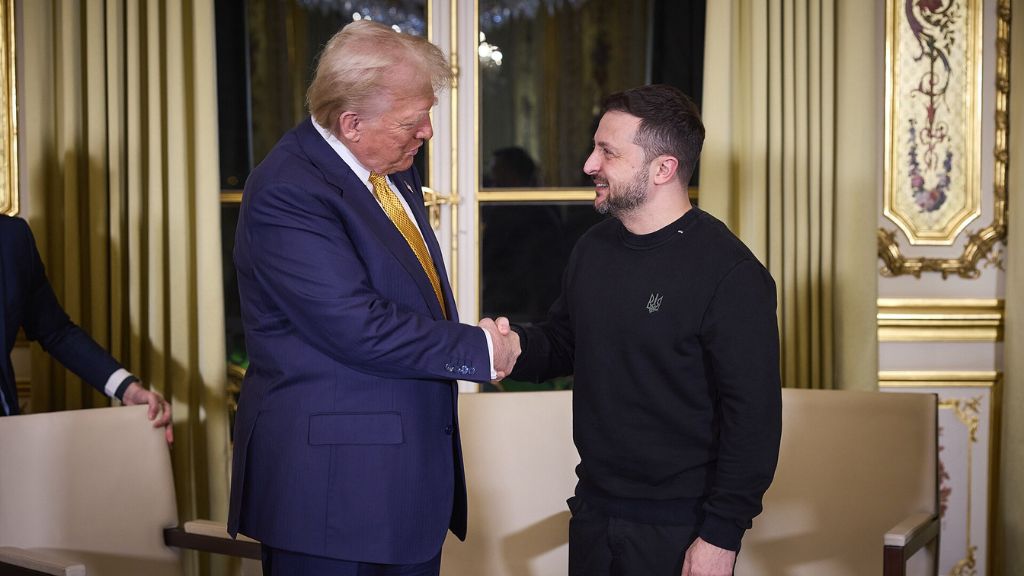
The two sides hailed the Mar-a-Lago summit on December 28 as a significant step toward peace. According to U.S. and Ukrainian officials, their discussions “aren’t just symbolic” and are centered on a tangible deal. According to media sources, a U.S. security guarantee proposal and a 20-point peace framework are “almost ready,” with the majority of unresolved issues resolved. President Trump stated that a peace deal between Russia and Ukraine was “closer than ever”, but he cautioned that if certain issues aren’t resolved, the talks may still fail.
Proposed Security Measures and Ukraine’s Demand
Specific security measures are covered by the reported progress. The most recent drafts would give Ukraine NATO-style defense guarantees while allowing it to maintain its entire 800,000-strong peacetime army . Additionally, Kyiv would receive a multibillion dollar rehabilitation package and expedited EU integration, including the timing of a formal membership date . Ukraine would freeze its present front lines in return. Kyiv calls for an immediate ceasefire along current lines, while Moscow seeks complete control of the Donetsk and Luhansk areas. Any territorial modifications, according to Zelenskiy, would need public consent (for instance, by a referendum). No proposal is final “until I approve it,” as Trump himself has emphasized.
Russia’s Cautious Response
Such discussions are seen by Moscow as a reflection of the impasse in the war. The peace movement has been met with caution by Russia’s leaders. Ukraine is allegedly attempting to “torpedo” the process with a new draft plan, according to Deputy Foreign Minister Sergei Ryabkov. Russian soldiers are currently entrenched on occupied territory and may launch further offensives in the event that a truce breaks down. Meanwhile, the Kremlin is under further pressure due to public war fatigue in Russia. Zelenskiy cautioned that “the war continues” in the absence of an agreement, implying that any disregard for existing boundaries will rekindle hostilities. To put it briefly, Russia’s military stance has changed from advance to standoff, and any peace will only be possible if Moscow genuinely agrees to the terms.
Impact on Western Defense Planning
Western defense planning is also impacted by the summit. The United States and its partners would take on additional defense responsibilities if Ukraine abandoned its NATO bid in favor of a security treaty. This effectively substitutes an American-led agreement for NATO’s Article 5 guarantee. European nations appear eager to participate: In order to complete allied pledges, French President Macron announced that progress is being made and that a conference will be held in Paris in early January. Trump and Zelenskiy participated in a conference call with senior officials, including Mark Rutte, the secretary-general of NATO, to discuss “concrete steps” toward peace. Under ally security arrangements, Ukraine’s military strategy would shift from high-intensity operations to a border-defense posture; however, this would depend on the veracity of guarantees given Russia’s exclusion from NATO.
Remaining Uncertainties and Challenges
There are still a lot of unknowns. The most controversial matter remains unresolved: what will happen to occupied territory. Given Kyiv’s mistrust of Russian promises, any armistice would probably need foreign observers or troops along the contact line to enforce compliance. If Ukraine gives up territory or its NATO ambitions, even for peace, it will be held accountable at home. Additionally, Trump admitted that these talks “could still break down, leaving the war dragging on”. All things considered, yesterday’s meeting gives peace efforts new impetus, but turning that into a long-lasting agreement would require resolving serious political and security concerns on all fronts.