

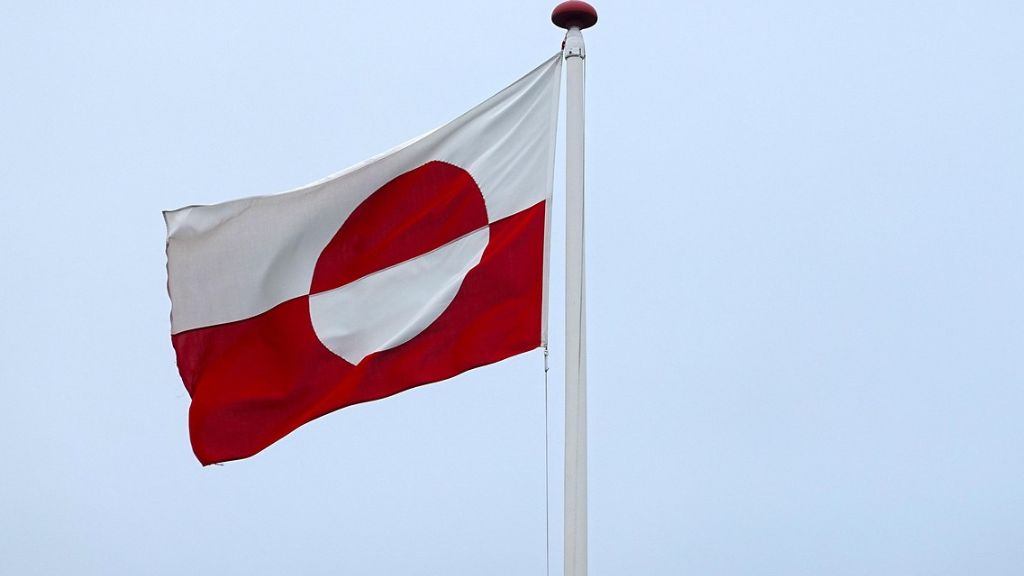
The citizens of the U.S. and Europe were relieved of tariff threats after the U.S. President Donald Trump had announced that a framework of a deal had been struck over Greenland, hence ruling out the imminent potential of trade penalties that had shaken its allies and markets in the past few weeks.
The episode was initiated by the fact that Greenland returned to the radar of U.S. politics with the new attention to discussing the Arctic security, paths in shipping and access to crucial minerals. Washington made public statements indicating his impatience with how much cooperation was forthcoming and gave the possibility of applying the leverage of tariffs especially to European partners in case U.S. strategic interests were not met. Such signals were important since the tariffs were to bring a geopolitical conflict into the trade field which was likely to spread to other areas of transatlantic trade as a result of spill over.
The most recent comment of Trump was of a different character. He claimed that negotiators had accepted a structure that accommodated the interests of the U.S. without specifying contents. In the announcement, no signed accord, law making, or a shifting of the power, was outlined. Rather, it indicated an agenda on which to conduct additional discussions. The point that goes down is that there is indeed an agreed negotiating framework and apparent hiatus of punitive trade threats. Unclear are timings, legal obligations and scope of cooperation.
Here such a term as framework seems to refer to a system of principles and not binding results. Areas of cooperation, security coordination, access to research, or infrastructure planning, are often determined by such structures, and sensitive questions may be left to be considered in subsequent negotiations. The officials did not issue any documentation, and the governments of the allied countries did not characterize the development as final as well.
Arctic Security and Strategic Importance
The tariff threat issue was important since it involved the extent to which Washington would apply security objectives to the policy of trade. And in Trump, tariffs can be bargaining instruments on top of conventional trade controversy. The Greenfield experience indicated that the strategic geography might also be attached to access to the market. It is a move by the administration to recalibrate rather than escalate by withdrawing that strategy and opting to negotiate instead.
In U.S. trade posture, the shift is that it gives preference to leverage using diplomacy prior to the inclusion of tariffs which might create retaliation. It does not come as a sign of a larger abandonment in the use of tariffs, but rather it becomes responsive to the responses of allies in case of strategic unity. The market will rapidly correct any uncertainty of policy and elimination of one tariff threat in the short term will lessen uncertainty.
The Arctic dimension is the key one. The location of Greenland places it at a strategic point in the defense of the arctic and new shipping routes. Ice melting is contributing to an increase in the availability of some resources like rare earths and minerals involved in the development of sophisticated technologies. Any system which enhances co-ordination on infrastructure, environmental policy, or security is in line with long term strategic interests of Washington and its partners. Meanwhile, the issues of local government and autonomy are also important, and no alteration of Greenland political status is marked.
Measured have been the allied responses. Denmark, in which the foreign and defense policy of Greenland is still retained, is much more focused on dialogue and respect of the existing arrangements. European chiefs have embraced the notion of de-escalation without making claims of unity or triumph. This puts the tone on caution due to the wish to make negotiations technical and not to subject the negotiations to the pressure of the masses that might bring up the tensions anew.
Future Outlook for Transatlantic Trade
The world markets responded in a peaceful manner. Removal of new tariff announcements was a source of volatility especially to the European exporters and the companies that were facing the exposure to the transatlantic trade. The reaction was subdued instead of jubilant and showed confusion on what to do and the understanding that the framework is still in its early stages.
Altogether, developing factors refer to a strategic re-alignment. Tariff threats have not vanished, but have subsided. The US has indicated that it can pursue the goals of the Arctic by using organized negotiations instead of trade sanctions. To allies and investors, the message is one of a temporary reprieve accompanied with ongoing vigilance as things unfold and talks are still going on.