

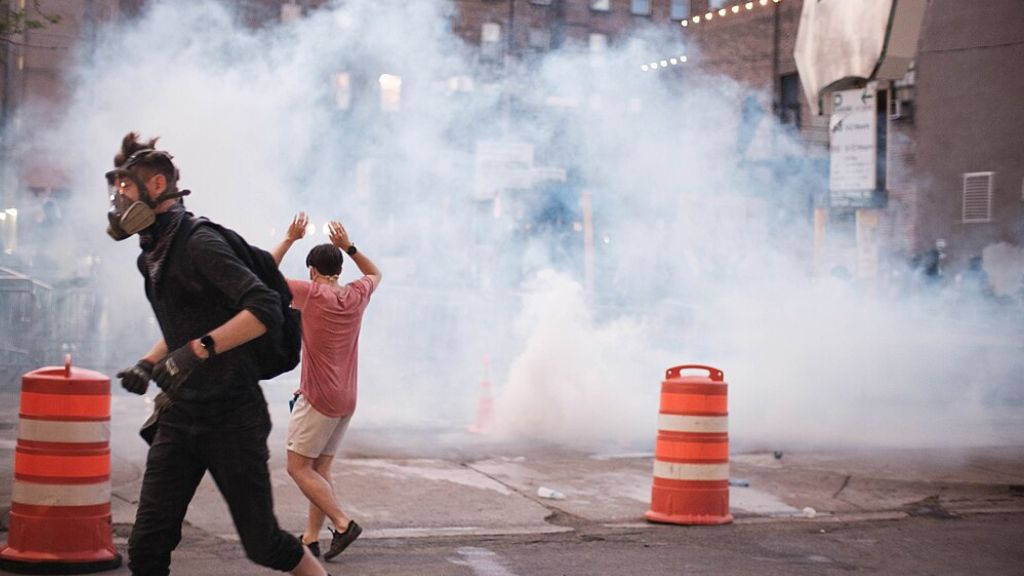
A series of violent incidents in Minneapolis has brought the immigration policy back to the forefront of the United States election debate. The events which involved Federal immigration agents and local residents have attracted national attention and triggered renewed political confrontation in an already polarized election year.
Federal authorities confirmed that there were two fatal encounters in Minneapolis during enforcement actions around immigration in January of this year. According to the Department of Homeland Security (DHS), agents were conducting targeted operations to arrest people accused of violating U.S. immigration laws. In both cases officials said, agents reacted to perceived threats. The incidents are still being investigated.
Family members and witnesses have disputed the federal account on some accounts. Community leaders have demanded independent reviews and more transparency into proceedings in enforcing them. Local officials in Minneapolis say that they’re cooperating with the federal investigators, but also want clarity about how they are to act.
The enforcement actions are part of a broader immigration initiative by the federal government launched in late 25. DHS has referred to the program as a large-scale effort to deal with immigration violations in several metro areas. Federal officials maintain the strategy has been intended to focus on people with removal orders or criminal histories. They say the purpose of the policy is to enhance public safety and enforce immigration law.
The Minneapolis shootings have led to protests in the city and around the rest of the country. Protestors have held vigils and rallies to bring about limitations on federal enforcement powers. Some labor groups and community organizations staged work-stoppages and public demonstrations to vent their concern for the effect the operations would have on immigrant communities.
Minnesota state officials have been concerned about the scope and the tactics of the federal initiative. The governor’s office has called for such review of coordination between federal and local authorities. City leaders in Minneapolis said the trust between immigrant communities and law enforcement is the key to public safety. With that, they expressed concern that aggressive enforcement could undermine that trust.
At the nation level, political leaders have reacted along party lines, albeit giving some flexibility in their tone.
President Donald Trump, who is seeking reelection, has defended the enforcement spree. In public statements, he stated there is a need for strict enforcement of the immigration laws to preserve border security and protect American communities. He explained the Minneapolis operation in terms of an overall commitment to the enforcement of existing laws.
Several Republican lawmakers echoed this opinion. They contended that the federal agencies must be able to perform their duties free from political interference. Some said criticism of enforcement actions threatens to undercut immigration control at a time when crossings by the border are elevated.
Democratic leaders have been more in the opposite position. Some members of Congress called for congressional hearings (oversight) and proposed to place conditions on DHS funding. They said enforcement actions should honor civil rights and not cause superfluous uses of force. Civil liberties organizations have also pushed for reforms – explicitly encompassing improved instructions on operations and an increase of engagement with the community.
The events have served to elevate differences between the political parties as voters head into elections in 2026, political analysts say. Immigration has long been a defining issue in the politics of the United States. Recent polling shows that border security and public safety is still a high priority to many voters, while concern about due process and civil rights are also high.
To international observers, the debate points to a larger tension of US policy. The country is under constant migration pressure at the southern border and there are permanent conflicts regarding asylum procedures and labor migration. At the same time, domestic enforcement actions are becoming even more intertwined with questions of federal authority, state cooperation and community trust.
The investigations into the Minneapolis incidents are on-going. Federal authorities have promised to release additional information when all of the reviews are finished. Meanwhile the political connotations are already apparent. As candidates refine their platforms, immigration enforcement (and the events in Minneapolis) are likely to continue being central themes in the national conversation.
The outcome of that debate may shape not only the election campaign, but also the direction of US immigration policy in the years ahead.