

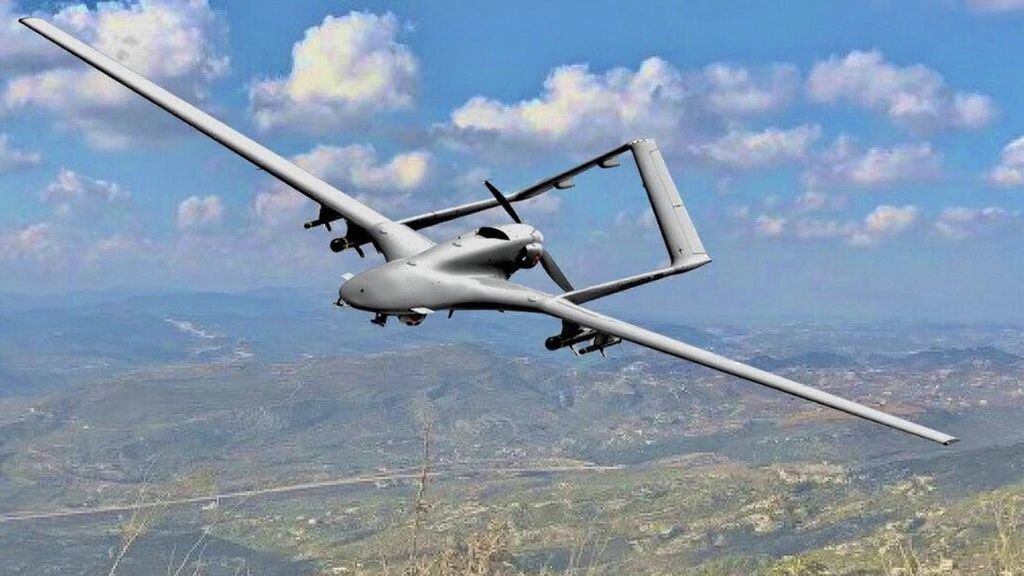
Ukraine has increased its use of long-range drones to launch attacks deep within Russian territory. Since August 2025, at least 58 Ukrainian drone strikes on Russian energy stations have been reported by analysts; the UAVs have flown up to 2,000 kilometers into Russian airspace. In order to undermine the Russian military’s fuel supply and economy, Ukrainian commanders place a strong emphasis on attacking oil facilities.
Drone Attack on Tuapse Oil Refinery
A UAV attack on the Tuapse oil refinery in the Krasnodar region, which is run by Rosneft, was reported by Russian officials on December 31, 2025. According to the local operations headquarters, a fire destroyed about 300 m² of refinery equipment before it was put out, and two persons were hurt. A gas pipeline and one port berth in Tuapse were also damaged, according to officials, and five residential structures had shattered windows. With a daily processing capacity of over 240,000 barrels, Tuapse is a significant export hub that supplies fuel oil, diesel, and other goods. Reuters reported that it was unable to independently confirm the incident, and Ukraine did not immediately respond.
Ukraine’s Drone Campaign and Strategic Objectives
Ukraine’s drone campaign has targeted numerous energy plants, including Tuapse. Kyiv claims in public that these attacks are intended to “undermine Russia’s war economy by targeting its energy infrastructure.” In fact, President Zelenskiy referred to them as “the sanctions that work the fastest” on Moscow. Other refineries and pipelines have been set on fire by Ukrainian drones and missiles in recent months. For instance, in August 2025, strikes on the Syzran and Volgograd refineries resulted in significant fires and brief shutdowns, while explosions at the Unecha pumping station of the Druzhba pipeline momentarily disrupted oil deliveries to Europe. By late summer, analysts estimate that these attacks temporarily reduced Russia’s refining capacity by 17-21%, which led to changes in export patterns and increased local fuel prices.
Russian and Ukrainian Responses to Drone Attacks
The drone attacks are framed strategically by both Moscow and Kyiv. Russian officials emphasized that their planned retaliatory strikes would exclusively target military targets in Ukraine and condemned the Tuapse attack as “terrorist aggression” targeting civilian infrastructure. Attacks on its oil sector are “dangerously escalating,” the Kremlin cautioned. Additionally, Moscow claimed to have destroyed 86 Ukrainian drones in a single night by shooting down dozens of them around the country. President Zelenskiy reported that more than 200 Russian drones attacked Ukrainian energy facilities on New Year’s Eve. Ukraine in turn reported an increase in Russian UAV attacks on its power grid. These tit-for-tat drone attacks highlight how the conflict between Russia and Ukraine has turned energy and civilian infrastructure into contested front lines.