

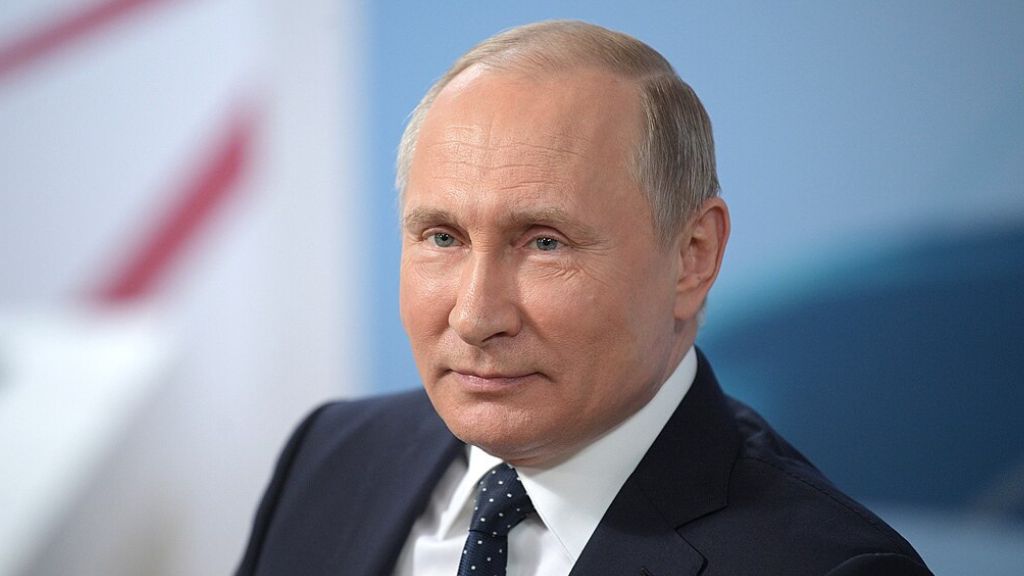
Late on January 22, 2026, Russian President Vladimir Putin met with U.S. envoys at the Kremlin, including former presidential advisor Jared Kushner and special envoy Steve Witkoff. The discussions were “substantive, constructive, and very frank,” according to Kremlin insiders, and they continued into the early hours of January 23. Russia issued a warning that “no durable peace would be possible unless territorial issues were resolved,” according to Kremlin aide Yuri Ushakov. He reaffirmed that the formula decided upon by Presidents Trump and Putin during their conference in Alaska in 2025 is essential to any long-term settlement. Putin stated that while Russia is still sincerely interested in a diplomatic solution, Moscow will continue to pursue its military goals in Ukraine, where its forces hold the strategic initiative, until an agreement is reached.
Territorial Issues Remain the Primary Barrier to Peace Negotiations
The primary barrier to the war’s conclusion, according to Russian authorities, is territorial issues. Ushakov emphasized that resolving the “territorial issue” a reference to Moscow’s demand that Ukraine leave territories it has annexed is a prerequisite for reaching a settlement. Dmitry Peskov, a spokesman for the Kremlin, reiterated this, stating that for the fighting to stop, Kiev’s soldiers must “leave the territory of the Donbas” the eastern Ukrainian province that Russia claims. Putin has explicitly demanded that Ukraine give up about 20% of the Donetsk region and refuse any NATO presence on Ukrainian territory, according to Russian media and analysts. These proposals are vehemently rejected by President Zelenskiy and Western officials, who maintain that Ukraine would not give up land that it has valiantly defended [8][9]. In summary, both parties agree that the only single issue left in the peace negotiations is the destiny of disputed land and Ukraine’s internationally recognized borders.
Both parties are proceeding to the next stage of negotiations despite the lack of an imminent breakthrough. Russia announced that on January 23, trilateral security negotiations between Russia, the United States, and Ukraine will take place in Abu Dhabi. Ushakov expressed gratitude to the Americans for their assistance in setting up the meetings in Abu Dhabi and stated that Moscow expects they will open up prospects for the conflict’s resolution. President Trump is still hopeful about a settlement, according to his envoys from the United States, who were joined by new adviser Josh Gruenbaum. Trump previously stated that both Putin and Zelenskiy would be “stupid” if they did not take advantage of this opportunity for peace. However, Western officials warn that if Ukraine gave in, Russia’s maximum demands (on NATO and territory) may force it into a very poor deal.
The stakes are highlighted by the ongoing war context. Since 2014, Russia’s army has taken control of around 20% of Ukraine, or one-fifth of the country. However, these advances have come at a high cost, straining Moscow’s economy and prompting international sanctions. Moscow’s drones and missiles frequently attack electrical and heating facilities in Ukraine, which is experiencing its worst winter of the conflict [17]. According to U.S. officials, the fighting has killed or injured far over a million people. According to commentators, the Kremlin’s demand on territory concessions in this tense situation reflects both its negotiating stance and its war goals, implying that Russia will take advantage of any delay to maintain its military superiority in combat.
International Reactions: NATO, EU, and Western Officials Respond
The immediate defense implication is that combat is likely to continue in the absence of an agreement. Putin stressed that Russia will pursue its special military operation goals in eastern Ukraine until a territorial settlement is accomplished. In terms of diplomacy, Trump’s envoys’ opening of a new channel between the United States and Russia signifies a dramatic change: by speaking with Putin directly, the United States is actively attempting to persuade Moscow to reach a settlement. This has sparked discussion among NATO and EU partners; some see it as a practical attempt to put an end to the worst conflict in Europe in decades, while others fear that any agreement could justify Russia’s victories.
Both parties have decided to continue communicating for the time being. Delegations from Russia, the United States, and Ukraine will meet in Abu Dhabi this week to work on security guarantees and other matters, according to the Kremlin. Both Moscow and Kyiv have indicated they will keep to red lines, but a favorable outcome might result in a provisional ceasefire or settlement framework. Putin’s message was very clear: there can be no lasting peace unless Russia’s territorial claims are addressed first. The world will now keep a careful eye on the Abu Dhabi negotiations to see if they can resolve the territorial standoff and find a way toward stability, or if the conflict will continue with Ukraine’s sovereignty in jeopardy.