

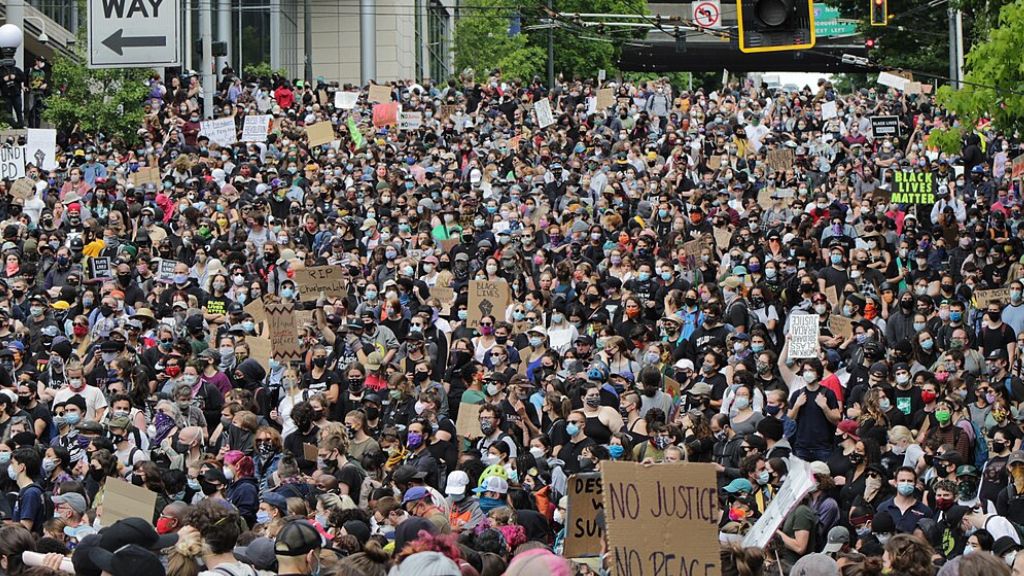
Thousands attend rallies on “Invasion Day” celebrations and riots galore against immigration as part of an ongoing debate over Australian colonial history, national identity and migration policy.
Thousands of people converged on Australia on 26th of January when the country celebrates their Australia Day. The national holiday again led to sizable “Invasion Day” protests as well as smaller anti immigration protests.
In Sydney and Melbourne, organizers said tens of thousands threw themselves in with marches calling for the date of Australia Day to be changed. January 26, 1788 was the date the First Fleet arrived. Many Indigenous Australians call the date the beginning of dispossession and colonization.
Banners were held by protestors that read “Change the Date” and “Always Was, Always Will Be Aboriginal Land.” Speakers at rallies demanded greater recognition of the history of Indigenous people and better social outcomes. According to government data, Indigenous Australians still suffer from a lower life expectancy and a higher incarceration rate than non-Indigenous Australians.
Indigenous Leaders Renew Calls to “Change the Date”
Indigenous leaders were also referring to the 2023 referendum on the proposed Indigenous Voice to Parliament on the rejection of voters for this proposal. Some speakers said the result was that there should be continued advocacy and dialogue.
At the same time smaller anti-immigration rallies were held in parts of Melbourne and Sydney. Participants indicated the concern of migration levels and housing affordability and pressure on infrastructure.
Australia netted over 500,000 people in the most recent annual figures produced by the Australian Bureau of Statistics on net overseas migration. The sharp increase was after the opening of borders after the end of the Covid-19 pandemic. Economists tell us that migration has had a supporting effect on labor market but has also increased pressure on housing supply in major cities.
Prime Minister Anthony Albanese accepted the difference of opinion in a statement marking the national day. He said Australia should “reflect on our history honestly” as it celebrated Australia’s achievements and diversity. Opposition Leader Peter Dutton stressed the need for national unity and respect for Australia’s institutions.
In several cities police said there had been minor incidents, but most of the events had been peaceful. Authorities kept a visible presence in the central districts of business where there were large groups of people.
Public opinion is still divided on January 26. Surveys in recent years have consistently reflected support by some Australians to keep the date, while a substantial minority of Australians favour the express swap of national celebration to a different day.
According to international observers, the annual demonstrations raise awareness of continued tensions regarding history, memory and contemporary migratory policy. Australia has one of the highest percentages of foreign-born population of any developed nation. Immigration has always been a factor of economic growth and demographic renewal. It has also helped to provoke a debate about identity and social cohesion.
As economic pressures and political divides persist, Australia Day is likely to continue as a dual party of being both a national celebration and day to protest as well. The events this year demonstrate how issues relating to history, belonging and migration are at the forefront of the country’s public discourse.