



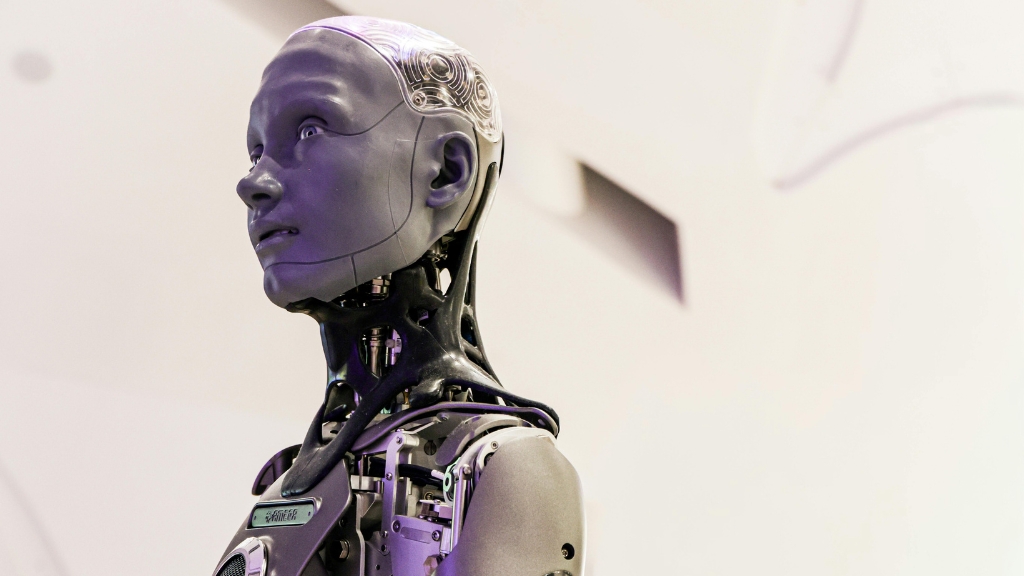
Japan faces a demographic crisis, not a robot uprising, as automation is helping the economy run.
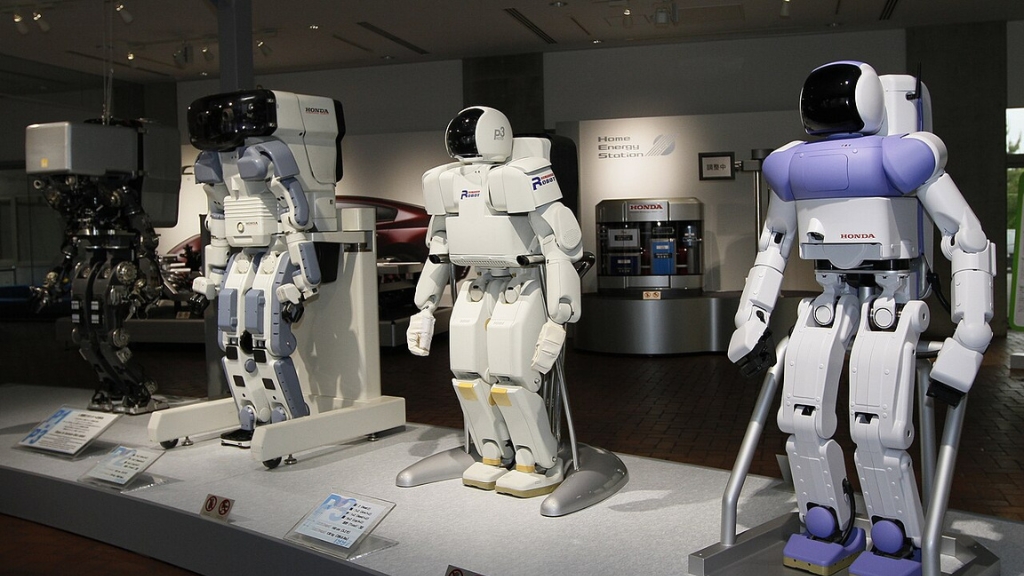
Japan’s labor shortage is driving the use of robots throughout its economy. The primary factor is that automation reduces cost, but more importantly, there is not enough workforce to fill these positions.
With Japan’s aging and declining population, there is a labor shortage that it cannot meet with its small workforce. Therefore, it depends on robots for economic development.
With that said, do robots take away jobs in Japan? The numbers tell a different story. According to the OECD Employment Outlook 2025, Japan has maintained an unemployment rate below 3%, despite increased use of robotics.
The reality is that Japan is experiencing worker shortages, not surpluses. Understanding this clarifies the ongoing discourse on robots worldwide.
Automation causes concern in many countries, including Pakistan. The approach shows it can help, not hinder goal achievement.
Japan Labor Shortage: The Core Reason for Automation
Japan’s use of robots begins with a basic fact about its population that’s hard to ignore.
A Rapidly Aging Population
The population of Japan is among those that age fastest in the world. According to the Ministry of Internal Affairs and Communications of Japan, more than 30% of the country’s population is aged 65 or older.
Japan has the largest number of such people of any country in the world. Japan’s fertility rate is only about 1.2 per woman. The minimum needed is 2.1 to ensure a sustainable labor force in the future.
The population of Japan has been decreasing since 2010. We can observe this not only in the country’s population but also in its labor force. As predicted by the OECD Employment Projection for 2025, there will be 1 million unfilled positions in Japan’s labor market in 2030, and the government’s economic forecast confirmed this.
Why People Don’t Want to Work in These Fields
Today’s younger generation of Japanese workers is less willing to accept the demands of severe, poorly paid, or repetitive jobs. Most difficult-to-fill occupations tend to have common features such as:
- Poor income compared to the physical or mental strain endured
- High turnover and minimal prospects for career advancement
Positions in convenience store retailing, warehouse order picking, cleaning, construction, and senior care are currently experiencing labor shortages. The latter occupation experiences the most critical shortage, which has sharply increased due to the rising older population.
According to Japan’s Ministry of Health, Labor, and Welfare report in 2022, the job openings-to-applicants ratio in elder care was over 3 to 1, suggesting that there were at least three job openings for each applicant.
The primary issue is not robots taking human employment, but a lack of workers.
Jobs That Nobody Wants Anymore
Robots in Japan’s workforce are reshaping employment, job requirements, and how people review them.
Physically Demanding Roles
Young people in Japan are less drawn to job categories that require long hours of hard work. Such as construction, agricultural, or factory work. Some hard-to-fill jobs include cashier, convenience store attendant, shelf restocker, sorter at a logistics facility, and cleaner.
Low-paying, Repetitive Work
Roles such as cashier or shelf stocker at convenience stores, sorting items in warehouses, and janitorial cleaning jobs are usually:
- Low-paying
- Repetitive in nature
- Limits career advancement
All these factors make these jobs less appealing in Japan, even though demand is high and supply is low.
Massive demand for Caregivers
The biggest shortage is in elderly care, which is in high demand and is physically and emotionally challenging.
- Wages are relatively low compared to the effort.
- Due to an insufficient workforce supply, robots assist a strained system rather than displacing jobs. They support existing operations.
Why Robots Are Actually Being Used
Health & Elderly Care
The field where Japan’s workforce problem hits hardest, along with where human-centered robotics is applied most, is eldercare.
Some technological facilities include:
- Patient lift robotics: Helps nursing staff move non-mobile patients, helping to avoid staff injuries and enabling fewer staff to care for more patients.
- ‘Paro’ therapeutic robots: Seal-shaped robots used for dementia treatment. Published clinical studies in journals such as Gerontechnology show that Paro lowers agitation levels in patients.
- Mobility aid exoskeletons/walking robots: Help the older adults walk without direct assistance from staff.
Without these technologies, many elder care facilities in Japan’s rural regions would cease operations. The automation process is acting as a staffing solution.
Factories & Manufacturing
The Japanese nation has been leading in the adoption of industrial robots compared to other countries globally. For instance, the International Federation of Robotics (IFR) reports that Japan ranks third worldwide in robot density, with 399 robots per 10,000 employees.
Companies like FANUC, Yaskawa, and Toyota have utilized robots on assembly lines, in hazardous operations, and on quality-control production lines.
Most importantly, workers in those companies have just shifted their workstations to quality control, system control, and maintenance.
Retail & Convenience Stores
Popular convenience stores across Japan, such as 7-Eleven Japan, FamilyMart, and Lawson, have long operated without stopping, due to a shortage of workers to perform the same tasks.
We must realize innovations did not come at the cost of reducing the number of employees. It has rather helped the stores remain open despite the shortage of available workers.
Hospitality (Hotels, Restaurants)
An example of the cutting edge of robotics technology in the hotel industry is the Henn-na Hotel chain, where you will see robots at front desks.
However, most restaurants in Japan have automated their menu ordering systems using tablets and automated carts for delivery due to a lack of workforce.
Are Robots Taking the Place of Humans?
The following main data provide an easy way to examine the problem under consideration by comparing Japan’s employment situation with its automation journey.
- Unemployment rate: 2.6% (one of the lowest among developed nations)
- Density of Robots: 399 robots per 10,000 employees
- Expected Labor Shortage: 1 million people in 2030
- Percentage aged 65 years: More than 30%
- Fertility rate: 1.2 children per woman
If automation had caused any job losses, the unemployment rate should have been rising. However, Japan’s problem is the opposite; there are too few workers to fill existing jobs. The economists examining this problem refer to Japan’s condition as one of “necessity for labor substitution.”
Government Strategy & Future Outlook
Japan’s government has not been a passive witness to the above development but has consciously supported its growth. Among the notable measures taken by the government are:
- Investing in robotics and artificial intelligence research and development through METI
- Granting subsidies to small and medium-sized firms for automation technology advancement
- Society 5.0, a national-level technology paradigm that seeks to incorporate AI, robotics, and digitalization in all facets of human existence
Conversely, the government is motivating its older population to work past their retirement ages. By raising the number of female workers in the labor force, and carefully allowing immigration into the country. However, despite these initiatives, automation will remain essential to Japan’s economy through 2040.
Lesson for North American Workers and Policymakers
According to the CDC, the U.S is experiencing a declining birth rate, which reached its lowest point ever in 2023. Canada is becoming increasingly dependent on immigration to drive population growth.
While neither the United States nor Canada will experience a demographic problem comparable to that which awaits Japan, the economic problems facing all three countries bear remarkable similarities.
Labor shortages have become common across various North American sectors, including healthcare, agriculture, construction, and transportation.
The rationale here is that North American decision-makers can learn from Japan’s example. As demographic and labor challenges converge, economic pressures to address them are increasing.
The change in the international labor market implies that employees in North America, just like those in Japan, have to move from jobs that rely on physical skills to those requiring expertise in technology, management, and social skills.
In this regard, artificial intelligence can be seen as an addition to the labor force rather than a replacement, particularly in economies with a shortage of labor. The Japanese government’s adoption of technology to boost their economy is an ideal illustration of the same.
However, while AI is increasingly becoming more effective, it still fails to duplicate certain human attributes such as empathy, negotiation, and complex thinking skills.
Conclusion: A Practical Truth, Not a Dramatic Future
The future of work in Japan is clear: robots step in where workers are lacking, not where existing employees could fill in the roles.
Japan’s real challenge is not automation, but its changing population. Robotics is simply a tool to help manage this situation.
For everyone, and especially for Pakistan, the main challenge is not automation itself, but how population changes create gaps robots need to fill. The relevant question isn’t “Will robots replace us?” but whether we’re preparing for these labor changes.
“Robots will replace the jobs, but are we ready for the changes ahead?”
Robots in Japan’s workforce show both what may go wrong and how countries can turn problems like demographic shifts and an aging workforce into chances by being ready and creative.
FAQs: Robots in the Workforce of Japan
No. Instead of replacing workers, robots help overcome labor shortages, with more job opportunities in Japan but fewer workers.
Japan experiences an aging population along with a labor shortage, which makes it necessary to employ robots to keep its economy running.
In manufacturing industries, for instance, robots are assembling cars. Moreover, they help in the healthcare industry during surgeries. In the retail and hotel industries, robots can assist customers and deliver goods.
Perhaps yes, since America and Canada also experience aging populations and labor shortages.