
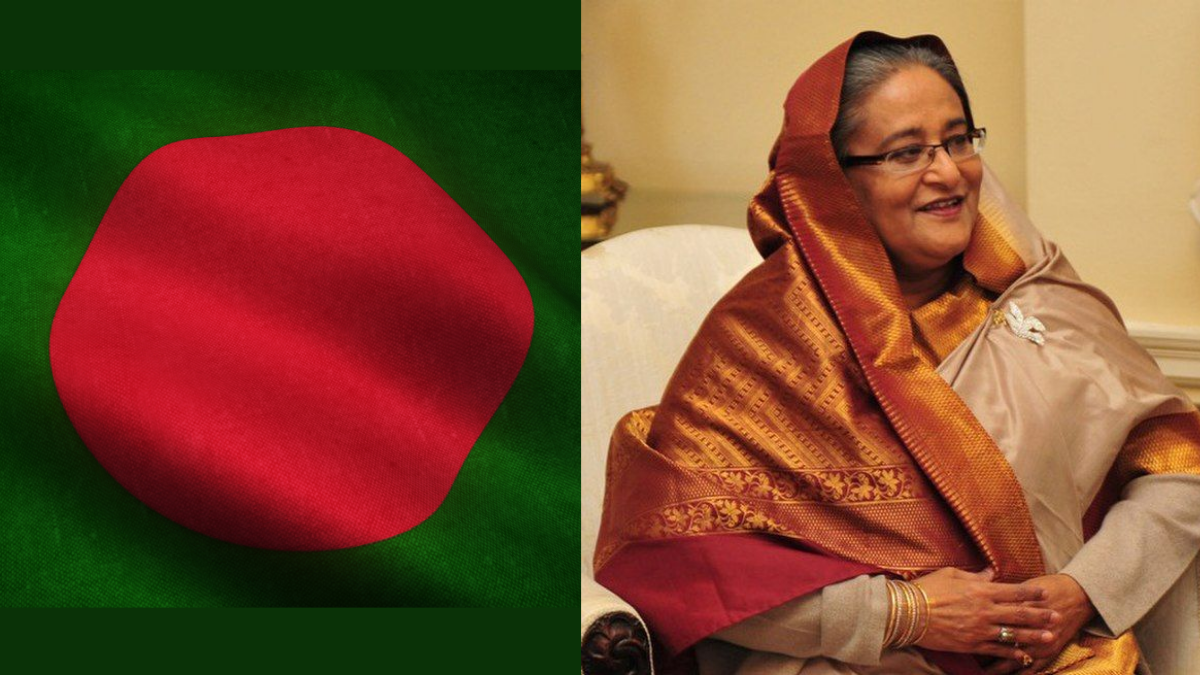
Bangladesh is set to hold parliamentary elections on February 12 while marking the first national vote since former Prime Minister Sheikh Hasina was removed from power in 2024 following mass student-led protests and a violent crackdown that left nearly 1,400 people dead.
Polling stations will open in the morning and close later in the afternoon, and millions of registered voters are expected to take part and approximately 127 million people are eligible to vote which includes the overseas Bangladeshis who will be able to cast postal ballots for the first time.
The country will vote for 300 directly elected members of parliament under the first-past-the-post system which means the candidate with the most votes in each constituency will win and an additional 50 seats are reserved for women and allocated proportionally to parties after the results.
The election is widely seen as a turning point for Bangladesh. Hasina, who had ruled for years, fled to India after months of unrest. Her Awami League party has been banned from any political activity. Nobel laureate Muhammad Yunus has been leading an interim administration since August 2024.
The main contest is between two major blocs: the Bangladesh Nationalist Party (BNP) which is led by Tarique Rahman, and Jamaat-e-Islami (Jamaat) which is led by Shafiqur Rahman. Once allies against Hasina, the two parties are now competing directly and opinion surveys suggest a tight race between them.
Voters will also take part in a referendum on proposed constitutional reforms drafted after last year’s protests. Many see this vote as not just about choosing a government, but its truly about deciding the country’s political direction after the many years of disputed elections and unrest. Young voters will play a major role, and the outcome could reshape Bangladesh’s future both at home and abroad.