

Understanding the Issue
The initial EU AI Regulation, specifically categorizes potential risks associated with AI implementation, was put forward in April 2021. The EU claims that strong AI restrictions are necessary for high-risk AI, such as that used in healthcare.
Concerns about AI systems for managing restricted information and the safe technological adaptation in the government are increasing.
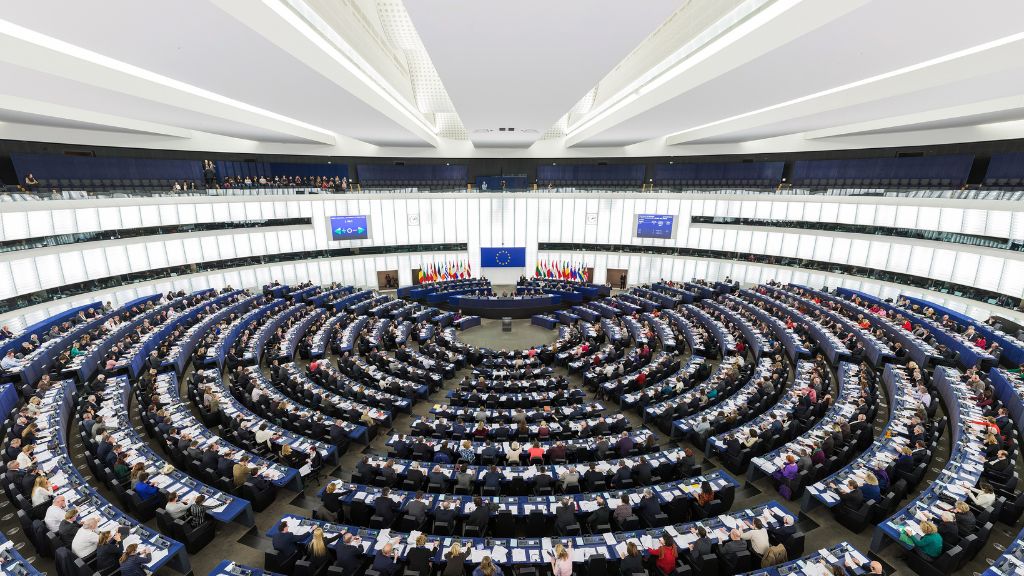
The updated European Parliament AI policy is about the use of AI software on official devices.
With the massive adoption of AI frameworks, the cybersecurity risks are also increasing. In a cloud-enabled AI system, vulnerabilities such as security breaches or data transmission exist.
Technical and Security Challenges
Cyber analysts have cautioned that the use of an AI-deployed system in government devices may compromise sensitive information.
Data entered into many AI tools, such as text prompts or uploaded files, is sent to external servers outside protected networks.
According to security experts, there is a high risk in government institutions, where restricted information and regulatory records can be accessed via official devices.
Recently,Microsoft talked about the cyberattacks on Windows and Office.
Strategic Implications
The AI device restrictions may influence other public institutions and national authorities to adopt similar AI policies.
Governments are focusing on Digital Sovereignty as a key objective, meaning information stays in the sight of local governance and is not accessed by foreign companies.
The EU plans to reduce its dependence on external servers in classified government operations.
Governments are updating laws related to AI and social media. The Czech PM backed a proposal to ban social media for children under 15.
Internationally, government officials are maximizing AI potential such that it promotes innovation while addressing security and privacy concerns in offices.
Conclusion
The European Parliament’s AI policy approach may be a leading example for how democratic institutions integrate technological progress with responsibilities for data and cybersecurity.
The parliamentary restrictions show a careful approach, not against the use of AI, but introducing a protocol that ensures data security.
(Sources: European Parliament)