

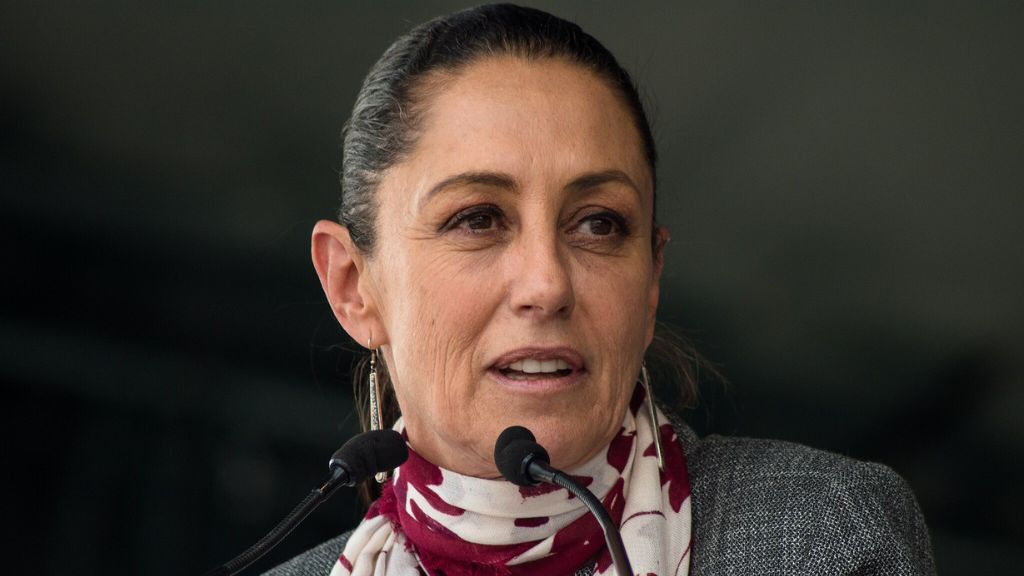
On February 24, 2026, Mexican President Claudia Sheinbaum said that her legal team was evaluating a legal case against tech billionaire Elon Musk after he suggested on social media that she is a member of drug cartels. The comments were made after the murder of one of the leaders of the Jalisco New Generation Cartel known as Nemesio Oseguera also known as El Mencho, which led to the instigation of violence in certain regions of Mexico.
Musk responded to the video of her discussing cartel violence by making the statements on his platform X, which Sheinbaum confirmed at a press briefing that lawyers in the federal government are looking into suing Musk over defamation. Sheinbaum and Mexican officials have strongly denied musk claiming without evidence that she is merely repeating what her cartel bosses instruct her to repeat.
Background: Musk, Comments and Political Backgrounds.
In his post, Musk succeeded a controversial video on social media in 2025, where Sheinbaum stated that
legally, there could not be a revival of the militarized war on drugs.
-Sheinbaum
The war-on-drugs approach earlier resorted to by the former President Felipe Calderon led to decades of high bloodshed and is heavily criticized by scholars and human rights organizations as dismantling the cartel networks and producing more bloodshed.
The implication of Musk in implying the presence of a cartel of the current leader of state is especially provocative in the Mexican political climate of mistrust, where organized crime and national security policy have long been bound in the political discussions about governing the country. The administration of Sheinbaum has favoured peace oriented policies and institutional fortification, shunning it off with militarized drug policy.
Legal Challenges Ahead
Though Sheinbaum is in genuine contemplation of taking defamation into court the legal experts warn that it is highly difficult to invoke the defamation case in the U.S. courts. The law offers effective first amendment safeguards in the U.S. and to prevail in such a case, Sheinbaum would also be required to prove either that Musk made false claims knowingly or he proceeded recklessly without regard to the truth, which is a great burden of legal proof.
The government of Mexico observed that the remarks were factually false and might cause fake information about elected leaders and democratic organs. An international defamation lawsuit, had it been filed, would probably challenge the international standards on defamation and would pose some intricate issues concerning jurisdiction and the limitations of free-speech.
Political and Diplomatic Implications.
A possible legal reaction of Heinbaum comes at an inopportune time, politically speaking. As a country to co-host the FIFA world cup 2026, Mexico has been eager to display its stability and security in the face of cartel related violence that has continued to plague the country. The recent violence, although El Mencho was killed, highlighted the fact that the country is only struggling with criminal gangs as most of the regions have returned to a relative peace.
The conflict is also similar to what has been preceded by the former U.S. President Donald Trump, who made some controversial remarks about the way Mexico was ruled. Sheinbaum has in the past resisted such meddling with national affairs with a focus on national sovereignty and the legality of the Mexican systems.
According to analysts, Musk and the reaction of Mexico can bring about an impression of the political speech within the region, especially concerning the use of high-profiled platforms such as X to create a narrative among people about the foreign leaders. Since Musk is worldwide famous, the episode shows the conflict between social media commenting and diplomacy.
Local Response and Future Projections.
In Mexico, there is a difference in opinion. The potential law action to defend institutional dignity and national integrity is seen by the supporters of Sheinbaum. Critics say that instead of moving forward on cartel violence and economical problems that many communities are faced with, attention should be kept on these issues.
On the part of the legal team, the choice to do so will be based on whether they are in agreement that U.S courts can offer the appropriate platform to seek redress. Whatever happens, the case highlights the changing nexus of computerized speech, global law, and political responsibility amidst a time where the remarks on social media might truly have practical geopolitical consequences.