

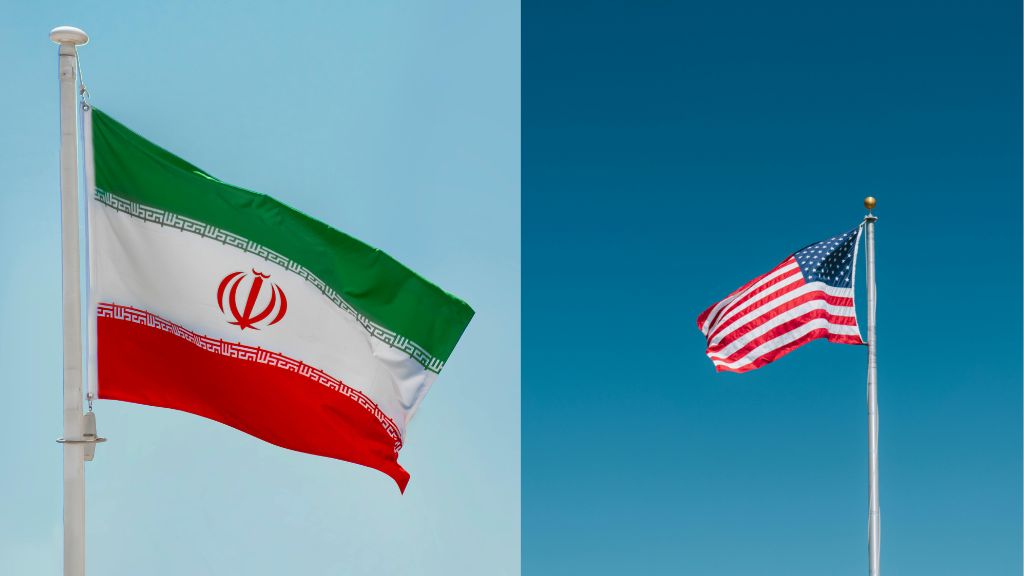
Quiet back channel talks between the United States and Iran in Oman, and Washington’s move to send its senior military commander to the region, are the signs of a calibrated mix of diplomacy and deterrence. The parallel tracks mark a willingness – on both sides – to experiment with de-escalation without evidence of weakness, at a time when the relationships in the Middle East, both in the realm of security and global energy markets, and their broader implications for international stability continue to be very close to one another.
The selection of Oman as a host is very important. Muscat has been a discreet intermediary for analysis between adversaries for a long time, providing a venue that allows dialogue without the chance of having to stand on political feet publicly. Talk does not return to the formal negotiations, but the talks show the mutual recognition that there are unmanaged escalations with unacceptable risks. At the same time, Washington’s military signaling emphasizes the fact that engagement is not necessarily synonymous with holding down one’s challenge of force posture.
Diplomatically, the backchannel is a case of tactical realism and not that of reconciliation. For Washington, the indirect engagement of Iran helps manage crises relating to nuclear activities, regional proxies and maritime security without reopening politically fraught formal agreements. It also assures the allies that there are channels of communication to lessen the potential for a sudden conflict based on miscalculation.
For Iran, the talks provide breathing space. Tehran is under economic stress, domestic pressure and perpetually under sanctions. Through quiet dialogue, Iranian leaders have been able to probe U.S. red lines without making the public concessions that could be cast as capitulation, at least in Iran. Oman’s mediation offers plausible denial, exercising political flexibility in both parties.
The arrival of Washington’s Middle East military chief brings a clear element of deterrence. It sends the signal that diplomacy is supported with preparedness and the United States is willing to defend its forces, allies and important transit areas. This double-minded messaging is intentional. In US strategy, the back channels help limit escalation (and the visible military presence limits the adversary’s confidence in coercive tactics citizens).
From a defense perspective, this approach is indicative of lessons learnt from recent regional crises. Proxy attacks, maritime, and drone warfare exist in areas of gray. By both reinforcing the visibility of commands and the coordination of them, Washington wants to prevent indirect escalation without closing the door to talks. The message to Tehran is a slim but forceful one: dialogue and dialogue is possible but there is still leverage advantage.
Regionally, the talks would likely reduce immediate levels of tensions and tensions are likely defused especially around points of tension over militias and naval activity. Even limited communication can slow down retiring cycles of conflict and offer off-ramps to crises. However, they do not resolve structural rivalries. Iran’s network of regional partners as well as U.S. commitments to Israel and the countries in the Gulf still create friction.
For regional allies, the U.S. posture is reassuring and at the same time ambiguous. Quiet talks can be interpreted as pragmatism or as possible sidelining partner concerns. Managing this perception is a critical task. Washington is trying to balance between engagement with Iran and the need to maintain credibility with the states dependent on U.S. security guarantees.
As such, energy markets are especially sensitive to the U.S.-Iran dynamics. Any indication of diminished confrontation around the Strait of Hormuz can alleviate risk premiums in oil prices. Conversely, increased military signaling is a reminder to markets of how fast things could change for the worse. The combination of talks and exposure of troops send a mixed but stabilising, signal; risks, yet channels, to contain them.
And this matters to the global investors. Amount of equity Volatility feeds into inflation, supply chains and forecasts for growth Energy prices. And even ambassadorial advances, though small, can calm expectations and perceived setbacks can cause major market reactions. In this sense of the term, backchannel diplomacy has economic value beyond its immediate political scope.
At a systemic level, the talks signify how great powers are handling regional conflicts with a world that is breaking down. With multilateral diplomacy in trouble elsewhere, informal methods of diplomacy became important again. They provide flexibility, but not transparency, an expense that can be discomfiting to partners and rivals alike.
The U.S.-Iran case also addresses a much more general trend: there is no longer precedence and concomitance between deterrence and diplomacy. Military signaling is not just for breakdowns, it is part of negotiation itself. This reflects a more contested international environment, in which trust is low and credibility is as much about good looks as good will.
The Oman backchannel and the accompanying US military engagement do not represent breakthroughs. They signal containment. Both sides seem determined not to let the present clash escalate into a broader conflict that would destabilize the Middle East and shock the world economy as a whole. Yet the issues are not settled and the margin for error very thin.
In the near term, both quiet talks and deterrence may help manage the risk. In the longer term, the reliance in such cases on back-channels highlights the lack of enduring frameworks of regional security. Until such a structure emerges, stability will be more about signalling with care, comprising crisis management, and the ever balancing force and dialogue.