

TOKYO – As Japan prepares to vote in Sunday’s general election, many households say soaring prices have become their biggest concern, with food and basic expenses increasingly difficult to manage.
Tomoko Ida, a 48-year-old graphic designer who lives in Tokyo said that her family has cut back on rice which is a staple in Japanese homes and she stated the reason behind this was the sharp price increases over the past year. “A few years ago, five kilograms of rice cost around 3,000 yen. Now it’s closer to 4,000 or even 5,000,” Ida staed. “We go through about 10 kilograms every month, so we’ve started eating noodles and pasta more often just to save.”
Ida is among millions of voters who feel similar pressure as wages continue to lag behind inflation. Government figures show that inflation-adjusted salaries fell around 2.8% in November which marked the eleventh straight month of declining real income and although Japan’s headline inflation sits between 2% and 3% the food prices have risen much faster. The prices of Rice jumped nearly 68% last year following a poor harvest while the imported products such as coffee and chocolate have become more expensive due to the weak yen.
Nao Hanaoka who is a 29-year-old IT consultant said that she recently skipped buying imported tea because of high prices and cancelled plans to attend an overseas conference after currency losses made the trip unaffordable for her. “I used to treat myself occasionally but now everything feels expensive,” she stated.
A poll by public broadcaster NHK last month showed 45% of respondents ranked price relief as the most important issue in deciding their vote. Koichi Nakano, a political science professor at Sophia University, said households are also being squeezed by higher taxes and social security payments in an ageing society. “People feel basic necessities are harder to afford, while income remains stagnant,” he said.
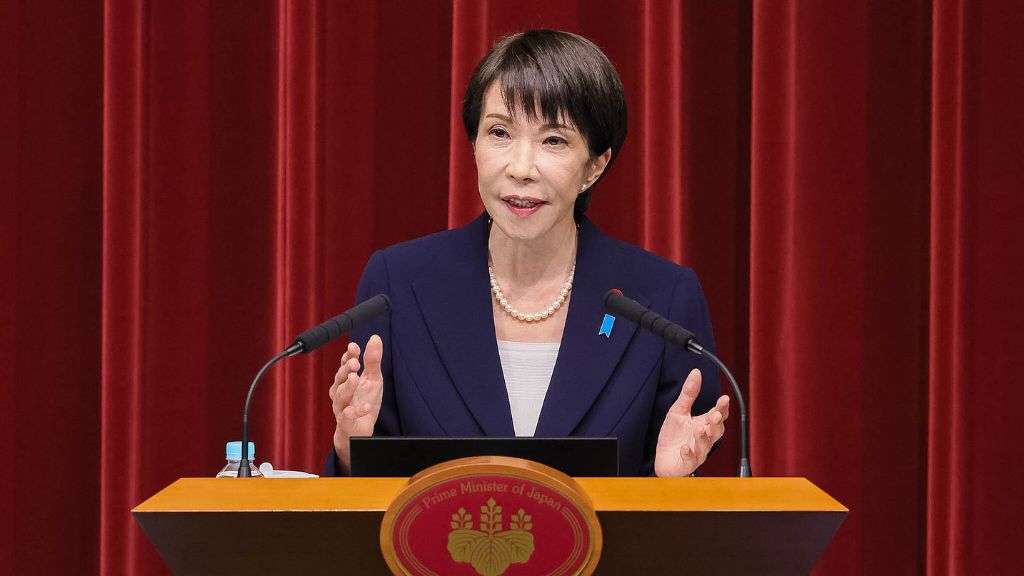
Prime Minister Sanae Takaichi has made cost of living relief central to her campaign while pledging to suspend Japan’s food consumption tax for two years if her coalition returns to power. Her government has already rolled out a 21.3 trillion yen stimulus package which was focused on energy subsidies, cash payments and food vouchers but investors have raised concerns about Japan’s heavy debt burden and bond markets also reacted sharply after Takaichi announced the tax proposal.
Hanaoka said she plans to vote for the opposition citing a lack of trust in the shifting political promises. “I want leaders to think long term, not just offer quick fixes” she stated and despite the frustration of voters the opinion polls still suggest that Takaichi’s ruling coalition is on track for a comfortable win and potentially would secure around 300 seats in the parliament. Still undecided at this point Ida said she feels worn out by politics. “Honestly, it feels like the same faces keep coming back under different party names,” she said. “I just hope whoever wins actually helps ordinary families.”
Source: Aljazeera News