

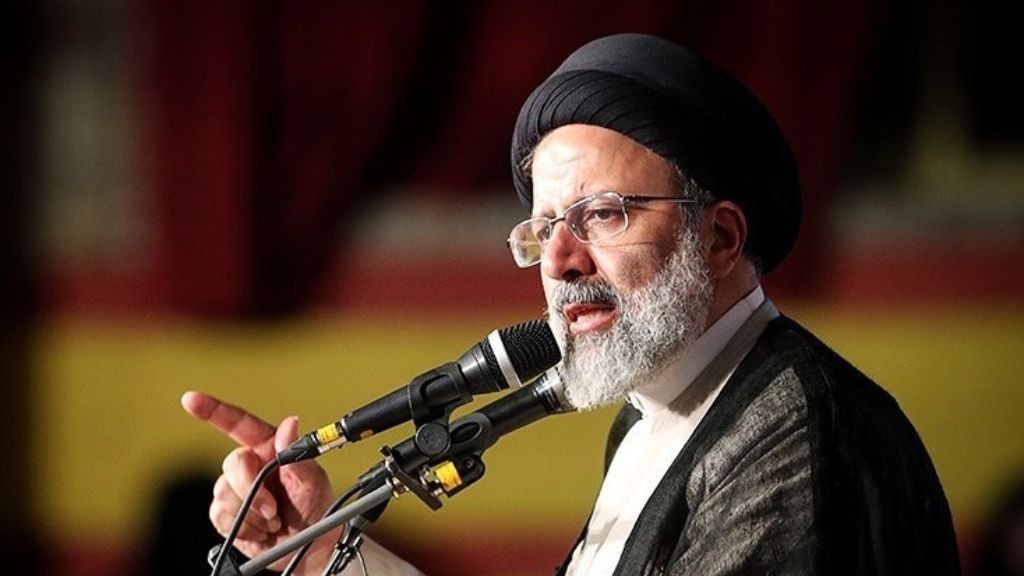
Iran said regional stability could suffer following Washington imposing a 15-day deadline to restart nuclear negotiations. The officials in Tehran said that the timeline amounted to pressure diplomacy which can risk hardening rather than speed compromise. The exchange puts renewed pressure on an already broken diplomatic channel.
The dispute plays itself on the background of an alternation of interrupted nuclear contracts and cycles of sanctions that restructured Iran’s economy and regional attitude. Previous frameworks coupled enrichment limits and sanctions relief, however political mistrust and changing priorities weakened the implementation of the frameworks. From that time, both sides have turned to signaling and deterrence and conditional engagement.
Iranian policymakers claim that any type of negotiations must entail credible guarantees regarding economic normalization. US officials present deadlines here as being tools used to retain pressure and verification discipline. Competing priorities have caused the policy divide. Washington stresses measuring compliance. Tehran emphasizes the notion of sequencing and reciprocity.
Strategically, the standoff means the effect on energy pricing expectations, maritime security and alliance calculation throughout the Middle East. Even rhetorical escalation can raise shipping route insurance and add to volatility of markets. Regional governments are still worried about spill-over through proxy theaters or cyber confrontation.
European stakeholders are still pushing for the use of mechanisms for de-escalation and technical dialogue. Gulf states are much more interested in stability that would safeguard trade corridors and energy infrastructure. Larger powers view the exchange in the context of a wider trend that has to do with nuclear governance fights among a multipolar security setting.
The next few days look anemic to public deadlines followed by a break into quiet diplomacy. Confidence building measures or timeline extension are potential to reduce the friction. Failure to create negotiating ground risks increased sanctions pressure as well as strategic mistrust. The coming weeks will see whether urgency creates engagement or seals in nuclear diplomacy.