

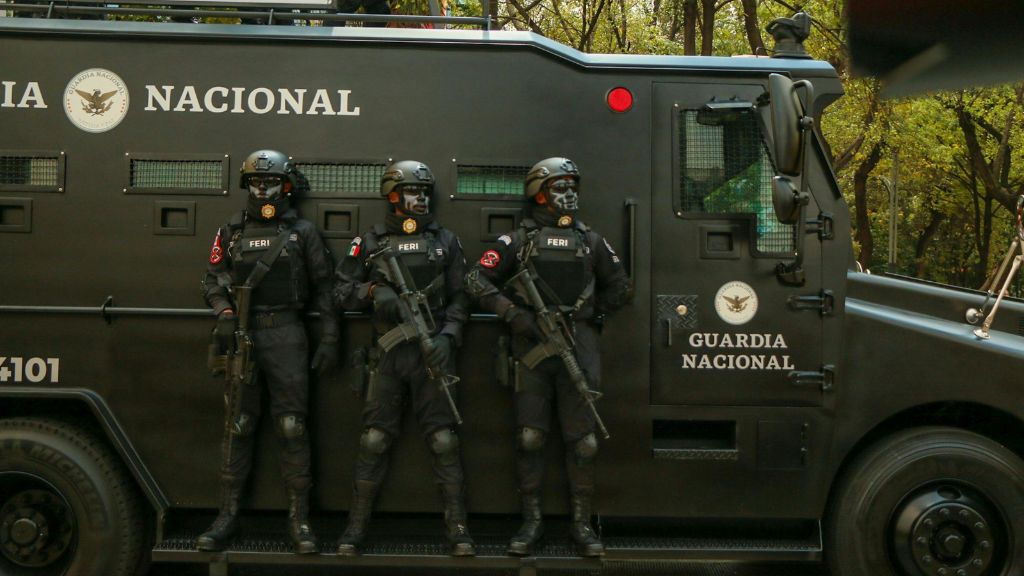
Violence erupted in parts of northern Mexico after the reported killing of a senior cartel figure during a security operation, prompting roadblocks, armed conflicts, and temporary travel disruption. Local authorities deployed additional security forces and restricted movement in affected areas as a precaution.
US officials said they are monitoring the situation and coordinating with the Mexican one. While the major tourist destinations are still operational, sporadic security incidents disrupted transportation routes and some US travellers were temporarily stranded.
Security Response and Government Measures
Mexican federal and state governments deployed more security forces after armed groups blocked highways and challenged security forces. Airports in some cities reported flight delays, as authorities are taking precautions to keep them, though operations have largely resumed.
The Mexican government said that the law enforcement action was part of an ongoing strategic targeting against the organized crime leadership. Officials stressed to protect civilians and restore normal activity as soon as possible.
The US Embassy revised travel advice for travelers, including directing those who wish to travel to avoid going to the affected areas, while following the instructions of local authorities. Consular officials are helping where necessary to support travelers with documentation as well as rebooking.
Tourism and Local Economies
Tourism is also an important source of income for a number of other Mexican states. Even short-term disruptions can have an impact on hotel occupancy, airline schedules and local businesses reliant on international visitors.
Industry representatives said cancellations are still limited, but they admitted security fears may play a role in influencing traveler confidence. Established resort areas usually exist with coordinated security measures that take place involving local authorities and private operators.
If instability continues, the states of expanded travel advisories or insurance modification could have a larger impact on the economy. However, based on past experiences visitor flows often return when security situations calm.
Bilateral and Border Policies Implications
The episode is likely to have an ongoing impact on policy debates in the US on border security and cross-border crime. Lawmakers have called for greater intelligence and action to be taken against cartel financing networks.
Mexico still defends its security strategy and emphasizes respect for national sovereignty. Bilateral coordination is still at the core of managing information, dual nationals and spill over in border regions.
In the short-term, the main concerns of authorities are to restore the situation to an organized state and to provide good means of travel. Over the longer term, the incident brings to light the ongoing challenge that organized crime continues to pose to public security, tourist flows between and across the borders of the two countries, and the coordination of bilateral policies between the two countries.