

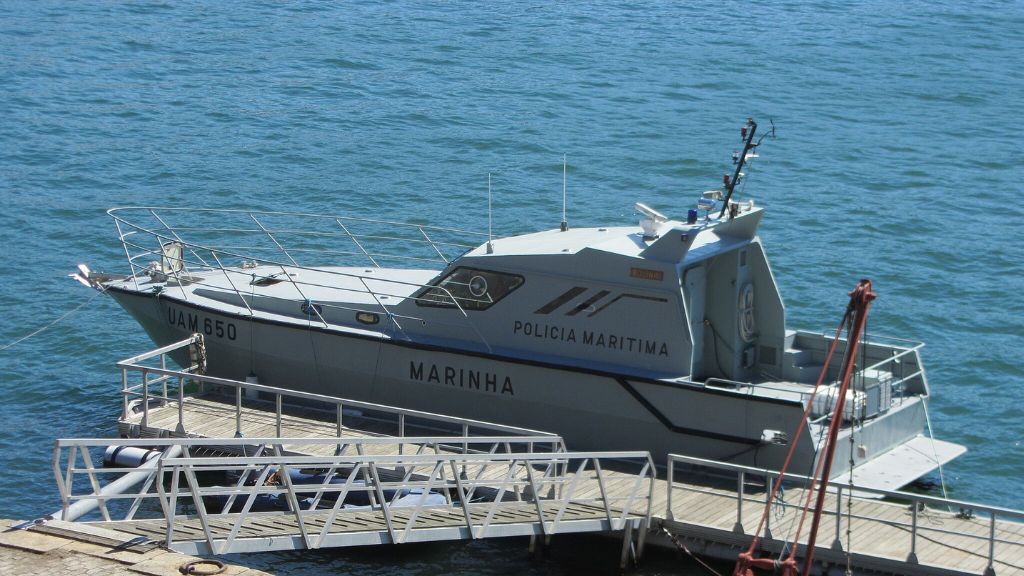
The government of Cuba reports that border patrolmen had shot dead four armed men who had tried to reach the island in the speedboat that had Florida registration which further aggravated the situation in a volatile bilateral relationship between Cuba and the United States.
Incident Details of Cuba Speedboat Shootout
The statement of the Cuban Interior Ministry of February 25, 2026, positioned the Florida-registered 24-foot speedboat in Cuban territorial waters off Cayo Falcones, off the north-central coast off Villa Clara province. Cuban border guards came to the vessel to identify the people, but the people supposedly fired back killing a Cuban commander. Cuban gunmen replied with gun fire and killed four and wounded six others in the boat.
Cuban Government Narrative and Accusations
Cuba recognized 7 of the ten passengers and indicated that at least one of its dead was Michel Ortega Casanova. The Cuban officials accuse the group of carrying rifles, explosives, and military equipment pointing to a planned attack in lieu of a normal crossing. They also announced the detention of Duniel Hernández Santos who the authorities declare as one of the organizers of the so-called operation.
Cuban authorities explained the case by stating that the U.S. had not managed to intercept the ship despite it being registered in Florida, as it was how they were trying to come into the country or do something destructive. The government of Havana declared the confrontation rightful due to protecting national sovereignty.
U.S. Response and Investigation Efforts
The United States government though not proving the detailed assertions of Cuba has indicated that it will go into research on its own by using the Department of Homeland Security and the U.S. Coast Guard. U.S. Secretary of state Marco Rubio pointed out that there is intelligence being gathered and that the U.S. agencies would not just depend on the words of Havana.
Historical Context and Diplomatic Fallout
The gunfight took place during increasing tensions between the U.S. and Cuba, which were partly caused by recent changes in the U.S. policy towards Cuba and Venezuela, such as the ban on oil exports and more general diplomatic tensions with the February seizure of Venezuelan President Nicolás Maduro.
The officers of Florida have also initiated their investigations after the Cuban government issued the registration number of the speedboat. Local political leaders empowered transparency and responsibility stating that one needed to know whether the U.S. law or norms were compromised.
The incident revives flashpoints in the U.S. and Cuba relations in the past, such as previous conflicts with exiles and escape. With both governments trying to find the truth amidst the conflicting narratives, the episode highlights the idea of current distrust and the lack of stability in the area of diplomatic interaction.