

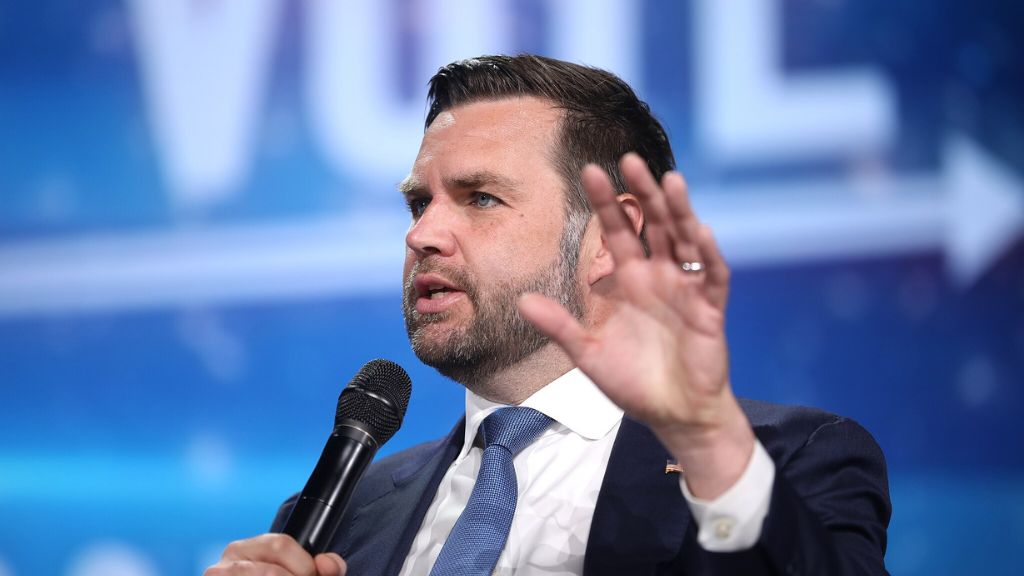
The talks, which were high stakes between the United States and Iran, ended their latest meeting in Geneva city on Thursday, though without a clear breakthrough. Although there was no immediate deal, the Vice President, JD Vance, took the step to calm down domestic issues about the possibility of a forever war, and it is still apparent the administration is ready to pursue a surgical operation as opposed to a protracted fight in the region.
Background: The Cycle of Ambassadorial Erosion.
The U.S.-Iran relations have been at the neither peace nor war level since the 2018 withdrawal of the U.S. out of the Joint Comprehensive Plan of Action (JCPOA). During 2025 and early 2026, the political vacuum was filled with the Iranian uranium enrichment and local skirmishes on the sea. Oman mediation before has often frozen amid the U.S. demand of an indefinite nuclear freeze and Iranian demand of a total Sanction amnesty.
Current Developments: the Vance Doctrine.
During an interview with reporters on February 26, Vice President Vance said
There is no possibility that the U.S would end up in a years-long military quagmire.
-Vice President Vance
His remarks were in line with a statement issued by President Donald Trump to remain military ready but to maintain an open hand to a diplomatic solution. The rhetoric of Vance portends to a change towards lethality ambiguity. His message was to stress the fact that the military means will remain operational, but the idea of the administration is to stop the nuclear breakout with no nation-building dedication. In the meantime, Omani Foreign Minister Badr Albu said
Termed the negotiations as being “progressing on course” with technical consultations to be conducted again in Vienna next week.
-Omani Foreign Minister Badr Albu
Strategic Implications
The existing stalemate is laden with strategic risks that go well beyond the negotiating table in the present circumstances. Even a partial U.S. attack would spur counteractions by the Iranian regional proxies system that may drag Washington into the long-term commitment that it wants to evade. Coexisting with this, in terms of global energy markets, increased tensions continue to support a war premium because any form of trouble initiating the Strait of Hormuz through which approximately a fifth of the world’s oil flows through will have an instantaneous economic impact on the world. The fate of regional players, such as Israel and various Gulf states, is publicly in line with the U.S. coercive policies, but secretly they fear to fall victim to a revenge cycle. The administration is thus running a two-legged credibility test because it must convince Tehran that its military deterrence possesses credibility and convince domestic and allied level audiences that the escalation will be contained and not expanded to a more regional-level war.
Forward Outlook
The diplomatic course is based on the influence of the talks to be held during the week. Possible options are how about an Interim Freeze, a short-term accord in which Iran suspends the enrichment in order to have access to frozen assets or regulated escalation in the event of failure of the Geneva accord. The difficulty still faced by the administration is making Tehran believe that the threat of force is very real and making American people believe that the times of endless wars are long gone.